

The Gambia River: A Journey Through Time and Culture
Follow the Gambia River from its source to the sea, exploring the rich history, diverse cultures, and natural wonders that make this waterway the lifeblood of West Africa.

Binta Touray
River Guide & Historian
Published on January 20, 2026
The Gambia River is more than just a geographical feature—it's the heartbeat of West African culture, history, and biodiversity. This mighty river has shaped civilizations, facilitated trade, and provided sustenance for millennia.
The River's Origins
Beginning in the Fouta Djallon highlands of Guinea, the Gambia River flows 1,120 kilometers through Senegal and The Gambia before emptying into the Atlantic Ocean. Along its journey, it creates one of the most biodiverse ecosystems in West Africa.
Historical Significance
The river served as a major trade route during the trans-Saharan trade era, connecting West African kingdoms with Mediterranean and European traders. The Portuguese established the first European trading post at the river's mouth in 1446, marking the beginning of centuries of European influence.
Cultural Melting Pot
Today, the river valley is home to diverse ethnic groups including the Mandinka, Fula, Wolof, Jola, and Serahule peoples. Each community contributes its own traditions, languages, and customs to create a rich cultural tapestry.
Modern River Journeys
Contemporary travelers can experience the river through boat cruises, fishing trips, and village visits. These journeys offer insights into traditional fishing methods, local agriculture, and the daily lives of riverside communities.
The Gambia River continues to be a vital artery for transportation, commerce, and cultural exchange, connecting people across borders and generations.
Related Articles
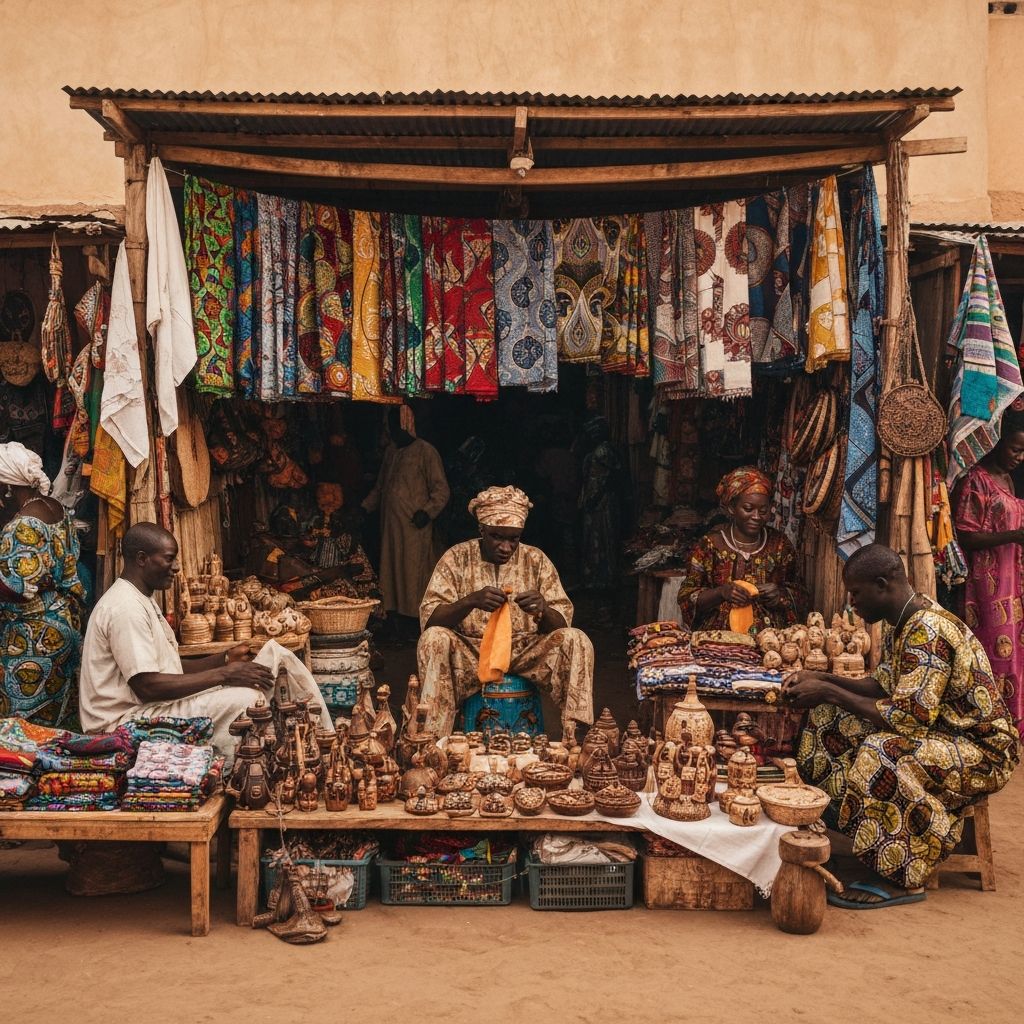
Cultural Preservation: How Local Communities are Keeping Traditions Alive
Explore the vibrant cultural heritage of The Gambia and the innovative ways communities are preserving ancient traditions for future generations.

Artisanal Crafts: The Gambia Through Creative Hands
Discover the vibrant world of Gambian artisans, from traditional weaving and pottery to contemporary art forms that blend ancient techniques with modern expression.